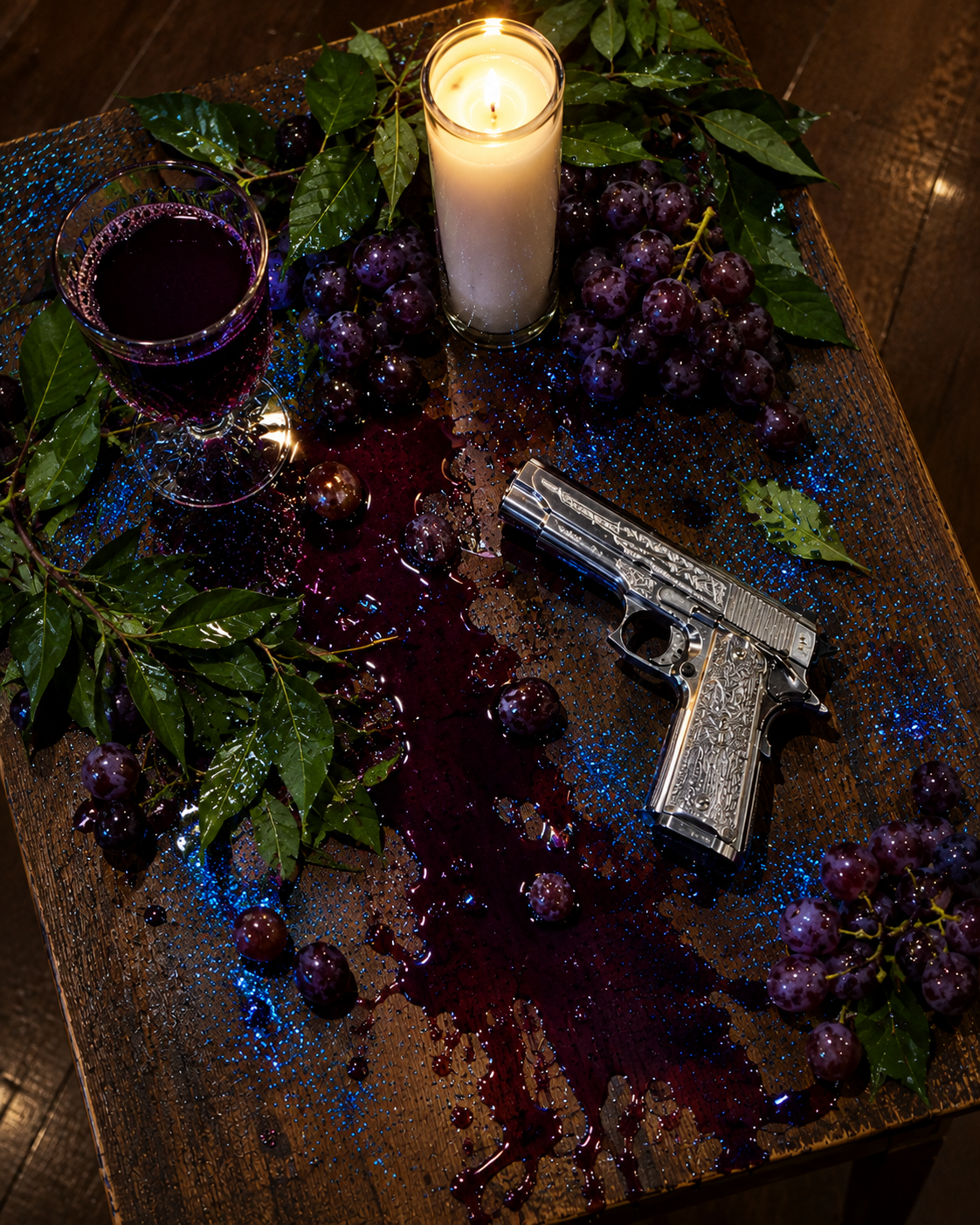
The Biblical Tradition of the Altar
The idea of setting apart a place for worship has deep roots in the Bible. In Exodus 20:24, God instructs Israel to make an altar and tells them that it is a place where His name can be remembered and where offerings can be brought. Later, in Exodus 27, detailed instructions are given for constructing the altar used in worship.
The biblical altar was not simply decoration. It represented a designated place for approaching God, worship, sacrifice, remembrance, and devotion.
A personal prayer space today is not the same thing as the ancient sacrificial altar described in Scripture. Rather than recreating those ancient sacrifices, you can create a quiet space dedicated to prayer, Scripture, gratitude, remembrance, and reflection.
The meaning is in setting aside a place where you intentionally turn your attention toward God.
A sacred space doesn't have to be elaborate.
It simply needs to remind you why you came there.
UNFORTUNATELY for the lurkers took an advantage to against others.
Creating a Personal Prayer Altar
Sometimes we need a physical place that reminds us to slow down.
A personal prayer altar can become a quiet corner of your home where you step away from the noise of everyday life and create space for prayer, gratitude, reflection, remembrance, and connection with God.
It doesn't have to be elaborate. It doesn't have to look like anyone else's altar. What makes the space meaningful is the intention you bring into it.
Choose Your Space
Find a quiet, clean area where you can sit without constant interruptions. It could be a small corner of your bedroom, a peaceful section of your living room, or another private area of your home.
If children or pets are around, choose a location where candles, incense, oils, and other small objects can be kept safely out of reach.
Create a Simple Foundation
A small wooden table can create a warm, natural foundation for your prayer space. Cover it with a clean cloth if you'd like, or leave the natural wood visible.
Keep the space uncluttered.
This isn't about filling a table with objects.
It's about creating a place where your mind can become still.
Place the Bible at the Center
For a Christian prayer space, an open Bible can serve as the centerpiece.
You might open it to a passage that brings you comfort, wisdom, strength, or hope.
Let the words be the first thing you see when you enter your space.
Add Light
White or ivory candles can represent peace, prayer, hope, and the presence of light.
You might choose seven candles as a personal symbol, or simply use one candle.
There is no requirement that prayer needs seven candles—or any candles at all.
The candle is simply a reminder:
Even in darkness, there can be light.
Never leave a burning candle unattended, and always use a stable, heat-safe surface.
Incense and Sacred Smoke
Incense can add another sensory element to a prayer space. The fragrance and rising smoke can become a personal signal that it is time to slow down, pray, and become present.
You might choose traditional incense such as frankincense, myrrh, sandalwood, cedar, or another fragrance that feels meaningful to you.
The smoke doesn't have to be treated as something magical.
Let it be a symbol of prayer rising, intention becoming focused, and the ordinary moment becoming sacred.
Smudging and Sage
Some people incorporate sage or other aromatic herbs into their spiritual practices, using the smoke as a symbolic way of marking a fresh beginning, releasing what they no longer want to carry, or preparing a space for prayer.
Different cultures and Indigenous traditions have their own specific practices and meanings surrounding ceremonial use of plants, so it's important not to treat every form of sage burning as interchangeable with those traditions.
If you're simply creating a personal prayer ritual, you can keep your practice personal and respectful: light the herb safely, allow the smoke to move through the space, and use the moment as an opportunity to pray, reflect, and reset.
The meaning comes from your intention—not from assuming the smoke itself has proven supernatural power.
Colored Smoke
Colored smoke can also create a beautiful visual element for a personal spiritual setting.
White might represent peace.
Purple might represent reflection or spiritual depth.
Blue might represent calm.
Green might represent growth.
Yellow might represent hope or light.
These meanings are personal symbols rather than universal spiritual rules.
Colored smoke can be especially beautiful when used during photography, meditation, prayer, or a personal ceremony—but always use products specifically designed for indoor or outdoor use according to their instructions. Avoid breathing concentrated smoke and maintain good ventilation.
Plants and Signs of Life
Place a few living green plants nearby.
Plants can serve as a beautiful reminder of growth, patience, renewal, and the continuing cycle of life.
Watching something living grow can quietly remind us that spiritual growth can also take time.
Words of Faith
Natural stones can be placed around the space as simple visual reminders.
You might choose stones representing:
FAITH
HOPE
LOVE
PEACE
FORGIVENESS
STRENGTH
The stone itself doesn't have to possess a supernatural power.
Its meaning can come from what it reminds you of.
Remember Those You Love
A photograph of someone you've lost can have a meaningful place in your prayer space.
That could be a parent, grandparent, friend, partner, child, or even a beloved animal.
You aren't necessarily worshipping the person or treating the photograph as a spiritual object.
You are remembering them.
You are giving yourself permission to say their name, express gratitude, grieve, pray, and carry their memory with love.
Crystals and Natural Stones
If crystals or natural stones are meaningful to you, you can include a few in your space—perhaps white, purple, clear, or other colors that personally resonate with you.
You don't have to believe that a crystal has supernatural powers to appreciate its beauty or symbolism.
Let it represent whatever you personally associate with it—peace, beauty, healing, remembrance, or simply a moment of stillness.
Holy Oil
If anointing oil is part of your faith tradition, you may keep a small amount in a simple container and use it according to your religious practice.
Use only a small amount and keep it safely stored.
The oil itself doesn't need to become the focus.
The prayer is the focus.
Clean Before You Begin
Before creating your altar, clean the area thoroughly.
Wipe the surface.
Remove unnecessary clutter.
Open a window if you're using incense or herbs.
Take a few quiet breaths.
Then arrange each object intentionally.
You don't need to rush.
Make It Your Place of Peace
Some people may light a candle in the morning.
Others may burn incense while they pray.
Some may use sage as a symbolic fresh start.
Some may sit quietly while colored smoke moves through the air.
Others may read Scripture or write their thoughts in a journal.
There is no single perfect formula.
The purpose is to create a consistent place where you can step away from the outside world and reconnect with what matters most to you.
Your altar doesn't have to be powerful.
Your prayer doesn't have to be complicated.
And your faith doesn't have to look exactly like someone else's.
Sometimes the most sacred space you can create is simply a quiet place where you can breathe, speak honestly, remember the people you love, and spend a few moments with God.
Let the candle remind you.
Let the incense slow you down.
Let the smoke mark a new moment.
Let the Scripture guide you.
And let the prayer come from you.
A Final Note
To be clear: none of this is meant to encourage fear, harm, or judgment toward anyone. I don't know your personal circumstances, beliefs, or relationships, and this isn't advice aimed at any specific situation. My hope is simply to encourage thoughtful reflection, healthy discernment, and a stronger sense of personal spiritual grounding—wherever your faith journey takes you.